




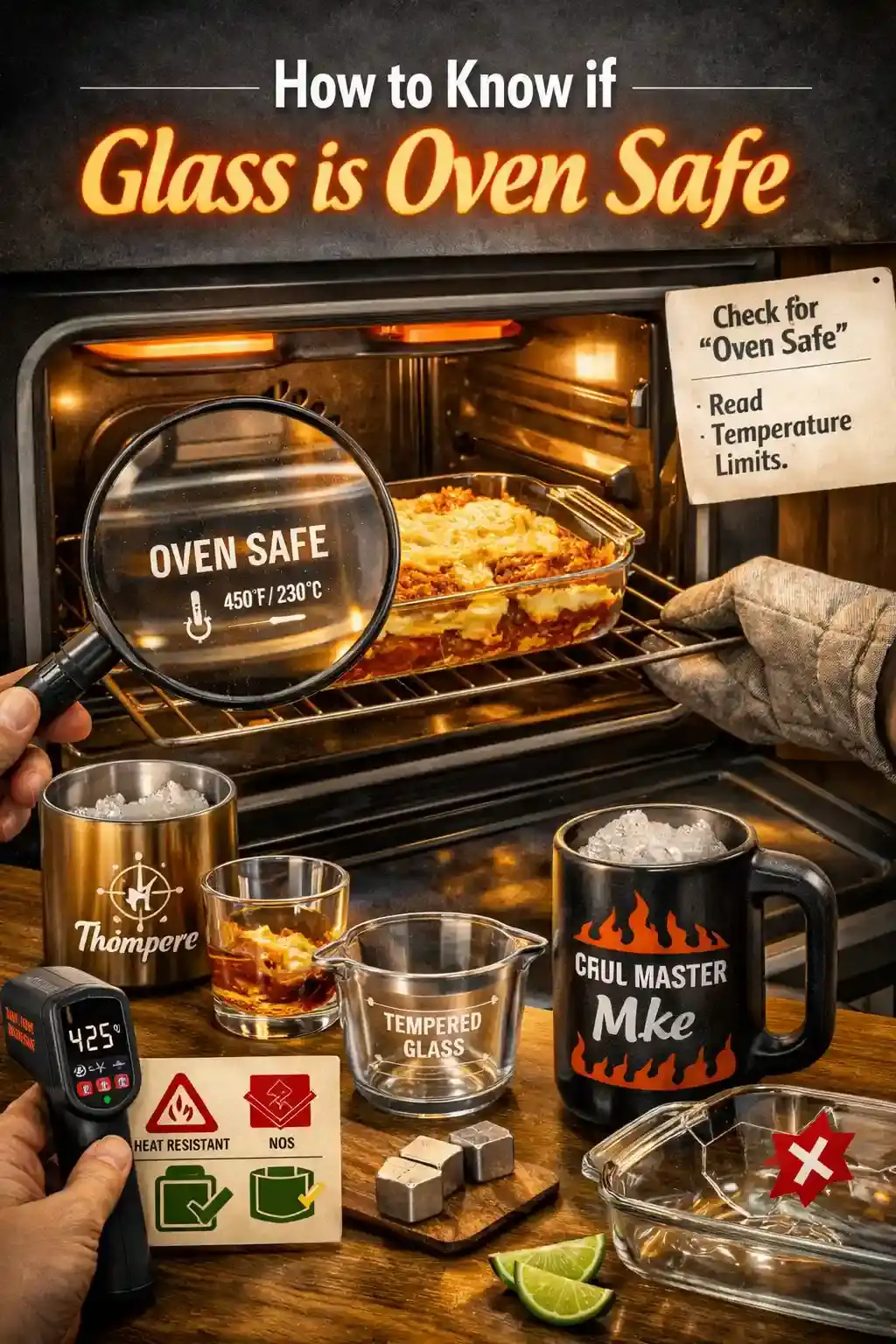
In a restaurant of hotel operation, glassware quality is overlooked in favor of other more important kitchen operations like food ingredients and service staff performance, until something happens, such as a glass cracking mid-service. Or a dish shattering under heat. Suddenly you have a safety incident, a disrupted service, and a procurement decision you wish you had made more carefully. We understand that kind of regret. And that is exactly why this blog is written.
Knowing whether glass is oven safe is not complicated. However, in a commercial setting, it requires more than a quick glance at the bottom of a piece. This guide walks you through each step with the clarity and confidence your operation deserves.
In a hotel or restaurant setting, your glassware faces continuous use cycles, rapid temperature swings, and physical stress that is not simply present in a household kitchen environment. A glass that performs fine on a home dining table can become a serious liability the moment it enters a commercial environment of a restaurant.
Oven safe glassware for restaurants and hotels operates under a different standard. It needs to handle sustained high temperatures. It needs to resist the shock of moving from cold storage into a heated oven. It needs to hold its structural integrity across hundreds of service cycles without showing signs of degradation.
Apart from the operational advantages oven-safe glass also reduces safety risk. Breakage in a hospitality setting is not just an inconvenience. It is a guest safety concern and a recurring cost that adds up fast. Getting this right at the sourcing stage protects your team, as well as the profitability of the restaurant operation.
Step 1: Find the Symbol, Then Go Further
Start with the oven-safe symbol. You will find the symbol printed or embossed on the base of the glass. It is a square with wavy lines representing heat. When you see that label, it means the manufacturer has tested and designated the product for oven use.
Still, do not stop there.
In a commercial procurement context, that symbol is the beginning of your verification, not the conclusion. Symbols vary across manufacturers and regions. More importantly, they do not always tell you the temperature range the glass is rated for. For heat resistant glassware for hotels and high-volume restaurant environments, you need the full picture. A symbol alone is not enough to stake your kitchen safety on.
Step 2: Know Your Glass Type Before You Commit
This is where informed procurement can make all the difference and make your operation successful. The material composition of a glass determines everything about how it will perform under heat. When you are sourcing wholesale glassware for sale for commercial use, this knowledge is not optional.
There are three types you will encounter most often.
Borosilicate glass for commercial use is the strongest performer in high-heat environments. It has specific composition that ensures very low thermal expansion rate. So when it is exposed to heat it expands and contracts very little. That quality becomes crucially important in a busy commercial kitchen when glassware moves between temperature extremes. It temperature resistance up to 500 degrees Celsius and handles thermal shock quite well. If the oven is a central part of your food preparation operation, borosilicate is the material you want.
Tempered glass is a reliable and widely used commercial option. It is significantly stronger than standard glass and handles moderate heat, generally up to around 250 to 300 degrees Celsius. But it is not suitable for oven exposure as it is engineered for impact resistance rather than intense thermal cycling. In scenarios involving rapid or extreme temperature changes, it does not perform at the same level as borosilicate. Understanding the distinction between tempered glass vs borosilicate glass will help you match the right product to the right application in your operation.
Soda-lime glass is the most common type and the least suited for oven environments. It is used widely in standard drinking glasses and decorative pieces. Its high thermal expansion rate means it will crack quickly if exposed to uneven or sudden heat. Simply put, if your glassware will ever be exposed to oven or high-heat conditions, soda-lime is not the right choice.
Step 3: Request Manufacturer Specifications and Certifications
A credible China glassware manufacturer will provide clear, documented product specifications. That means specs that include information about material composition, maximum temperature rating, and applicable safety certifications.
When reviewing specifications for oven safety, look specifically for the maximum operating temperature, and the thermal shock resistance rating. Additionally, compliance with recognized international standards such as ISO or ASTM is also a must-have. These are not paperwork formalities. All these confirm that the glassware will tolerate the specific demands of your kitchen or dining program.
If a supplier is making excuses and deflecting your queries regarding the documentation, then it tells you something important about the reliability of that supply relationship before you are locked into it.
Step 4: Take Thermal Shock Seriously
Thermal shock happens when glass faces a sudden, significant temperature change. Such sudden temperature changes happen when a cold glass is moved into a preheated oven or a hot dish is put down on a cold surface. Another scenario is when hot glassware is placed under running cold water immediately after use. Each scenario creates internal stress within the glass structure. Over time, that stress leads to micro-fractures and, eventually, the glass cracks or breaks.
For high temperature glassware wholesale sourcing, thermal shock resistance is just as important as the maximum temperature rating. A glass rated for 300 degrees Celsius but with poor thermal shock resistance will degrade faster in a real commercial kitchen than its specification suggests. So, when you speak with your supplier, ask specifically about thermal shock ratings. Do not settle for the headline temperature number alone. The full answer will shape the longevity of your investment considerably.
Step 5: Verify Directly With Your Supplier Before You Scale
Before committing to volume with any bulk glassware supplier for restaurants or hotels, verify the oven-safe claims directly with the manufacturer. Request a product data sheet. Place a sample order and test the pieces in your actual kitchen before scaling the order. A vital step that many procurement professionals overlook is failing to confirm that the certifications provided apply to the specific product line you are purchasing.
A trusted OEM glassware manufacturer China partner will welcome that level of scrutiny. It signals that you are a serious commercial buyer. It also lays the foundation for a supply relationship built on transparency and reliability rather than assumption. At Shanxi Bumtresd Glassware Co., Ltd., that kind of openness is not something buyers have to ask for twice. It is simply how we work.
The glassware choices you make today show up in your kitchen every single service. Those decisions deserve more than a quick scan of a product listing.
When you source wholesale glassware for sale from a manufacturer with high-precision production capabilities, full material transparency, and a genuine commitment to quality at scale, you are not just filling a purchase order. You are protecting your operation.
Shanxi Bumtresd Glassware Co., Ltd. supplies luxury hotels, commercial restaurants, and global retail buyers with glassware engineered to perform in demanding environments. Our range covers both manually blown and mechanism-produced pieces, each backed by the production standards and documentation that serious buyers expect.
If you are ready to source commercial oven safe glass with the confidence your operation requires, our team is ready to help you get it right.
In a restaurant of hotel operation, glassware qual...
READ FULLThe global drinkware market is projected to grow f...
READ FULLEver looked at your favorite glass dish and wondered, “Can thi...
READ FULL